
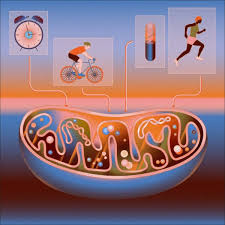
Cuidar las mitocondrias es cuidar la base de la vida celular.
No se trata solo de generar energía, sino de mantener un equilibrio: producir, reparar y adaptarse. El ejercicio, el descanso y la nutrición no actúan por separado; todos convergen en este pequeño orgánulo que define cómo vivimos… y cómo envejecemos.
El artículo en cuestión trata justamente sobre la clave para mantener la función mitocondrial en óptimo estado a cualquie edad, y propone un cambio de paradigma. Es decir, las mitocondrias no son una mera consecuencia del envejecimiento, sino más bien…
el epicentro donde comienza.
Y esto tiene una implicación enorme no sólo en entender cómo envejecemos sino en el potencial que tenemos a nuestra disposición para determinar el curso de dicho proceso. En este sentido, Cuidar la energía celular hoy determina cómo envejeces mañana. Y esto es independientemente de la edad, ya que lo mismo aplica para los de 25 como 65 años.
El artículo plantea la disfunción mitocondrial no como consecuencia, sino la causa raíz de muchas enfermedades modernas (cáncer, diabetes, patologías cardiovascular, envejecimiento).
Respecto a los factores que dañan las mitocondrias, se mencionan los siguientes cinco
- Toxinas (plásticos, pesticidas, metales pesados, ultraprocesados)
- Déficits nutricionales (vitaminas, minerales, antioxidantes)
- Inflamación crónica e infecciones
- Desequilibrios hormonales/metabólicos (resistencia a la insulina, ritmos alterados)
- Estrés y estilo de vida (mal sueño, estrés emocional, sobreentrenamiento)
Todos estos factores coinciden con el mismo efecto a nivel celular . Es decir:
estrés oxidativo + fallo energético mitocondrial
El autor critica el modelo clásico de las “características del envejecimiento”, y sostiene que lo que vemos (telómeros cortos, inflamación, envejecimiento celular…) NO son causas, sino consecuencias posteriores del mal funcionamiento a nivel de las células.
Esto lleva a una nueva visión donde se propone invertir la lógica:
- Primero: daño mitocondrial (toxinas + estrés + déficits)
- Después:
- ROS ↑
- Energía ↓ (ATP)
- Desequilibrio NAD⁺
Y como resultado:
- Inflamación
- Envejecimiento
- Enfermedad crónica
Este enfoque cambia completamente cómo entender la salud, la cual se establece no como un problema de edad, ni debido a un fallo en el funcionamiento de las mitocondrias “porque envejecemos”. Por el contrario, con los años acumulamos daño más rápido del que podemos reparar. Esta es la razón por la cual un joven puede estar agotado o un adulto mayor puede envejecer rápido.
Pero en ambos casos, es el entorno lo que determinará dicha situación y la evolución. El artículo sugiere que el estilo de vida moderno es mitocondriotóxico por defecto debido a:
- Comida procesada
- Contaminación
- Luz artificial
- Estrés crónico
Esto significa que el deterioro no es inevitable, sino en gran parte inducido
Siendo la energía la base de todo, sin mitocondrias funcionales:
- Las células no se reparan
- El sistema inmune se desregula
- El metabolismo se vuelve ineficiente
Por ello la enfermedad es considerada, en el fondo, una crisis energética celular. Esto conlleva una implicación práctica que propone colocar en segundo plano el tratamiento de los síntomas (inflamación, hormonas, etc.), para actuar sobre:
- Toxinas
- Nutrición
- Ritmos biológicos
- Estrés
En cuanto al ejercicio y nutrición, el autor lo resume en una frase: «Exercise is the ignition. Nutrition is the fuel. Together, they upgrade mitochondria». Es decir, «El ejercicio es el gatillo. La nutrición es el carburante. Ambos, en conjunto, potencian la actividad de las mitocondrias». Por eso que sostiene la necesidad del ejercicio y desarrollo muscular a lo largo de toda la vida, así como una alimentación (con macronutrientes ajustados) y suplementación específicos (Vitamina D, C, Magnesio, etc…)
Todo esto garantiza una continua resiliencia, flexibilidad metabólica, rendimiento máximo e independencia física a cualquier edad.
Mitocondrias: el núcleo del ejercicio, la longevidad, la salud cardíaca y la prevención del cáncer
Richard Z. Cheng, MD, Ph.D.
Introducción: De gimnasios a centros de longevidad
CrossFit y otras formas de entrenamiento de alta intensidad [1-3] han transformado el fitness en todo el mundo. Los atletas de entre 20 y 30 años se esfuerzan al máximo, pero a menudo se estancan: la recuperación se ralentiza, aparece la fatiga y las lesiones tardan más en sanar.
Al mismo tiempo, otro grupo demográfico está en auge: los adultos mayores de 50 años que buscan no solo buena forma física, sino también vitalidad, resiliencia e independencia [4,5] . Quieren energía para la familia, los viajes y la vida.
El puente entre estos dos mundos es la salud mitocondrial.
Mitocondrias: el interruptor maestro del rendimiento, el envejecimiento y la enfermedad
Las mitocondrias no son simplemente «centrales energéticas». Determinan la eficacia con la que nos movemos, nos recuperamos y resistimos a las enfermedades.
Para adultos más jóvenes
- Resistencia y rendimiento: Un mayor número de mitocondrias implica un mayor VO₂máx., mayor producción de ATP y un retraso en la fatiga. Incluso el entrenamiento a intervalos de corta duración puede aumentar rápidamente la densidad mitocondrial y la actividad enzimática oxidativa [6-9] .
- Recuperación: Las mitocondrias eficientes aceleran la reparación celular, reducen el dolor y restauran las reservas de energía después del esfuerzo [9] .
- Flexibilidad metabólica: los atletas con mitocondrias robustas cambian sin problemas entre combustibles de grasa y carbohidratos, queman menos lactato y mantienen intensidades más altas [10-14] .
| Beneficio | El papel de las mitocondrias | Evidencia |
|---|---|---|
| Resistencia | Producción de ATP, resistencia a la fatiga, mayor VO2máx. | [6,8] |
| Recuperación más rápida | Reparación celular, reducción del dolor, rápida reposición de energía. | [7,9] |
| Flexibilidad metabólica | Cambio eficiente de sustrato, oxidación de grasas, control del lactato. | [10-12] |
Para adultos mayores
- Retraso del envejecimiento: El deterioro de la función mitocondrial acelera el estrés oxidativo, la inflamación y el daño tisular. El ejercicio y la restricción calórica preservan la biogénesis mitocondrial y retrasan estos procesos [15-18] .
- Preservación muscular: El deterioro mitocondrial contribuye a la sarcopenia. El ejercicio de alta intensidad o de resistencia ayuda a mantener la calidad muscular al mejorar el recambio mitocondrial y reducir el daño oxidativo [19-23] .
- Protección cardiovascular: una fuerte capacidad mitocondrial reduce el riesgo de enfermedad cardíaca y preserva el gasto cardíaco con la edad [24-26] .
- Prevención del cáncer y la demencia: Las mitocondrias disfuncionales impulsan la inestabilidad genómica, el daño oxidativo y la alteración de la regulación celular, mecanismos vinculados tanto al cáncer como a la neurodegeneración. Restaurar la salud mitocondrial reduce el riesgo [25-29] .
| Efecto | El papel de las mitocondrias | Evidencia |
|---|---|---|
| Envejecimiento lento | Mantener la energía celular, frenar el estrés oxidativo | [15,17,18] |
| Preservar el músculo | Apoyar la masa y función muscular; mitigar la sarcopenia | [19-22] |
| Protege el corazón | Prevenir el envejecimiento cardíaco; mejorar la energía del miocardio | [24,25] |
| Reducir el cáncer y la demencia | Limitar el daño oxidativo, la neurodegeneración y las mutaciones. | [19,20,25] |
En breve:
- Para los jóvenes: mitocondrias = máximo rendimiento.
- Para los viejos: mitocondrias = resiliencia e independencia.
Por qué fallan las mitocondrias: causas profundas
En mi serie «De la mutación al metabolismo» , describí diez categorías de causas subyacentes que convergen en la disfunción mitocondrial, no solo en el cáncer, sino también en la enfermedad cardiovascular aterosclerótica (ECVA), la diabetes y el envejecimiento [28,29] . En las enfermedades crónicas, los factores recurrentes causan daño constante a las mitocondrias:
- Toxinas ambientales y dietéticas : pesticidas, plásticos, metales pesados, alimentos procesados.
- Deficiencias de nutrientes : vitaminas, minerales y antioxidantes inadecuados.
- Inflamación crónica e infecciones : provocan estrés oxidativo y desequilibrio inmunológico.
- Alteraciones hormonales y metabólicas : resistencia a la insulina, alteraciones del ritmo circadiano.
- Estilo de vida y factores estresantes psicosociales : falta de sueño, sobreentrenamiento, estrés emocional.
 Nota adicional:
La luz ambiental intensa, especialmente la luz azul intensa, puede oxidar los citocromos mitocondriales de la retina debido a su sensibilidad cromófora, dañando el ADN mitocondrial y el metabolismo. Por lo tanto, la exposición prolongada a la luz solar intensa, el resplandor de la nieve o los reflejos de la playa puede acelerar el daño oxidativo a las mitocondrias retinianas. El uso de gafas oscuras o protectoras en estas condiciones ayuda a preservar la salud mitocondrial de los ojos y del sistema nervioso [30-33] .
El papel central de las toxinas
Como se describe en la Parte 2 de mi serie [29] , muchas toxinas modernas son directamente mitocondriotóxicas:
- Los plásticos y los pesticidas alteran las enzimas de la cadena respiratoria mitocondrial.
- Los metales pesados (por ejemplo, mercurio, plomo) generan ROS y colapsan el equilibrio redox.
- Los alimentos ultraprocesados introducen emulsionantes y aditivos que dañan las barreras intestinales, desencadenando una inflamación sistémica que perjudica las mitocondrias.
- Los contaminantes del aire y los disruptores endocrinos aceleran el envejecimiento cardiovascular, la diabetes y la neurodegeneración a través de la lesión mitocondrial.
Estas cargas ayudan a explicar por qué un atleta de 30 años llega a un estancamiento y por qué uno de 60 años pierde vitalidad más rápidamente.
Crítica de las «Características del Envejecimiento»
El marco de las Características del Envejecimiento [34,35] ha definido gran parte de la gerontología moderna durante más de una década. Propuesto inicialmente en 2013 [34] con nueve categorías: inestabilidad genómica, desgaste telomérico, alteraciones epigenéticas, pérdida de proteostasis, detección de nutrientes desregulada, disfunción mitocondrial, senescencia celular, agotamiento de células madre y alteración de la comunicación intercelular, se amplió en 2023 [35] a doce al añadir la macroautofagia deshabilitada, la inflamación crónica («inflamación») y la alteración del microbioma.
Este marco ha sido valioso para organizar las observaciones. Sin embargo, las características distintivas son expresiones posteriores , no verdaderas causas fundamentales. Muchas características distintivas —inestabilidad genómica, desgaste telomérico, alteraciones epigenéticas, detección de nutrientes desregulada, senescencia, agotamiento de células madre, inflamación— son impulsadas por estrés mitocondrial temprano (p. ej., ROS, colapso redox, desequilibrio NAD⁺/ATP) y toxinas, infecciones y deficiencias previas.
- La inestabilidad genómica está impulsada en gran medida por ROS mitocondriales, toxinas y deficiencias de micronutrientes.
- El desgaste de los telómeros refleja estrés oxidativo, inflamación y sobrecarga metabólica, todos ellos efectos posteriores del estrés mitocondrial.
- Las alteraciones epigenéticas reflejan los aportes ambientales y nutricionales mediados por el metabolismo mitocondrial.
- Las vías de detección de nutrientes (AMPK, mTOR, sirtuinas) están determinadas por el equilibrio NAD⁺/ATP mitocondrial.
- La senescencia y el agotamiento de las células madre se aceleran cuando las reservas de energía mitocondrial colapsan.
- Inflammaging (chronic low-grade inflammation) is often initiated by mitochondrial danger signals (mtDNA fragments, ROS leakage) and perpetuated by toxin exposure.
In other words, what López-Otín and colleagues cataloged as «hallmarks» are symptoms, not origins.
From the Integrative Orthomolecular Medicine (IOM) perspective, the true root drivers of aging are the same ten categories I have outlined in my From Mutation to Metabolism series: dietary imbalance, environmental toxins, chronic infections, gut dysbiosis, oxidative stress, chronic inflammation, hormonal and metabolic dysregulation, immune dysfunction, stem cell exhaustion, and psychological stress/lifestyle imbalance.
All of these upstream drivers converge on mitochondrial dysfunction, making mitochondria the master hallmark and central integrator of aging.
Therefore:
- The «hallmarks» are descriptive signs – useful markers of damage and dysfunction.
- But they are not initiating drivers. They do not explain why mitochondria fail in the first place.
- True intervention requires moving upstream, addressing toxins, nutrient deficiencies, infections, and metabolic stress – the real starting points of aging.
This reorientation is critical for both science and practice. Focusing on superficial hallmarks risks expensive «miracle anti-aging drugs» that tweak pathways but never address root causes. By contrast, targeting upstream drivers – through diet, detoxification, orthomolecular nutrition, exercise, and lifestyle – restores mitochondria and improves multiple hallmarks simultaneously.
IOM Mitochondria Optimization: What Works
Low-Carb, Ketogenic Diet and Intermittent Fasting: Fuel for Mitochondria
One of the most powerful ways to restore mitochondrial health is through dietary strategy.
- Low-Carb and Ketogenic Diets: Restricting carbohydrates lowers blood sugar and insulin, reducing mitochondrial overload and oxidative stress. Ketones (β-hydroxybutyrate) serve as a clean fuel, generating fewer reactive oxygen species compared to glucose. Studies show ketogenic metabolism enhances mitochondrial biogenesis, improves redox balance, and increases resilience against oxidative injury [36,37,37,38].
- Intermittent Fasting: Periods of fasting activate AMPK and sirtuin pathways, stimulating autophagy and mitochondrial renewal. Fasting also lowers inflammation, improves insulin sensitivity, and promotes metabolic flexibility [39-41].
- Exercise Endurance Benefits: Both ketogenic metabolism and intermittent fasting increase reliance on fat oxidation, sparing glycogen and reducing lactate buildup. Endurance athletes often experience improved «second wind» capacity, greater stamina, and faster recovery when adapted to fat and ketones as fuel. Older adults also gain – fasting and low-carb diets preserve muscle, maintain mitochondrial biogenesis, and prevent fatigue from rapid glucose swings [42,43].
- Clinical Impact: Together, low-carb and fasting strategies have demonstrated benefits for diabetes, obesity, neurodegenerative conditions, cancer management, and longevity. For athletes, they improve fat oxidation and endurance. For older adults, they preserve function and delay age-related decline [44-47].
In practical terms: alternating between fasting periods and fat-based fuel sources mimics evolutionary energy cycles – giving mitochondria both rest and renewal.
Key Nutrients and Lifestyle Interventions
Exercise is the ignition. Nutrition is the fuel. Together, they upgrade mitochondria.
- Vitamin C – 3,000-10,000 mg/day in divided doses. Supports recovery, collagen formation, antioxidant defense, and vascular health [48].
- Vitamin D3 – 5,000-10,000 IU/day, adjusted to maintain blood levels of 50-100 ng/ml. Strengthens immunity, bones, and muscles [49,50].
- Niacin (B3) – 500-2,000 mg/day of instant-release niacin (titrated upward to minimize flushing). Boosts NAD⁺ and supports mitochondrial repair [51-53].
- Magnesium – 500-1,000 mg/day (glycinate or threonate forms preferred). Critical for ATP production, muscle relaxation, and energy metabolism [54,55].
- CoQ10 – 200-400 mg/day. Enhances cardiac function, endurance, and mitochondrial electron transport.
- Omega-3 – 2,000 mg/day or more of combined EPA+DHA from marine sources. Provides anti-inflammatory and neuroprotective benefits.
- L-carnitine – 1,000-3,000 mg/day. Facilitates fatty acid transport into mitochondria, improving fat burning and exercise endurance.
- Sleep, stress control, circadian rhythm – Protect mitochondrial repair cycles.
- Other supportive tools: Red-Blue therapy (NIR/PBMT + methylene blue), and additional orthomolecular nutrients.
For younger athletes: better performance and fewer injuries.
For seniors: slowing aging, preventing ASCVD and cancer, preserving independence.
Conclusion: The Mitochondrial Advantage
- For the young: mitochondria mean performance and endurance.
- For the old: mitochondria mean resilience and youthfulness.
- For all: mitochondria are the master hallmark – the central key to energy, health, and longevity.
One mitochondrion, one solution: energy for life.
I am living proof myself. For nearly two decades, I have practiced intermittent fasting, usually eating only two meals a day-the first after noon and the last before 7 p.m. In the mornings, I often play competitive badminton on an empty stomach, usually for two hours. I can still vigorously compete with players who are 10, 20, or even 30 years younger than me. I hardly experience significant low blood sugar symptoms, even if I fast for more than a day. This is because I have effectively trained my body to release, burn, and convert stored fat into energy-whereas many people cannot.
What I often see is that many younger players run out of energy and show signs of fatigue, while I’m still going strong-almost like the Energizer Bunny. People often ask me what my secret is. Half-jokingly, I reply: I’m a meat eater, while you are grass eaters (carbs). 

- For young athletes: mitochondria = peak performance.
- For seniors: mitochondria = youthfulness and resilience.
About the Author
Richard Z. Cheng, M.D., Ph.D. – Editor-in-Chief, Orthomolecular Medicine News Service
Dr. Cheng is a U.S.-based, NIH-trained, board-certified physician specializing in integrative cancer therapy, orthomolecular medicine, functional & anti-aging medicine. He maintains active practices in both the United States and China.
A Fellow of the American Academy of Anti-Aging Medicine and a Hall of Fame inductee of the International Society for Orthomolecular Medicine, Dr. Cheng is a leading advocate for nutrition-based, root-cause health strategies. He also serves as an expert reviewer for the South Carolina Board of Medical Examiners, and co-founded both the China Low Carb Medicine Alliance and the Society of International Metabolic Oncology.
Dr. Cheng offers online Integrative Orthomolecular Medicine consultation services. Follow his latest insights on Substack: https://substack.com/@rzchengmd
References:
1. Gibala, M.J.; McGee, S.L. Metabolic Adaptations to Short-Term High-Intensity Interval Training: A Little Pain for a Lot of Gain? Exerc Sport Sci Rev 2008, 36, 58-63, doi:10.1097/JES.0b013e318168ec1f.
2. Batacan, R.B.; Duncan, M.J.; Dalbo, V.J.; Tucker, P.S.; Fenning, A.S. Effects of High-Intensity Interval Training on Cardiometabolic Health: A Systematic Review and Meta-Analysis of Intervention Studies. Br J Sports Med 2017, 51, 494-503, doi: 10.1136/bjsports-2015-095841.
3. Nicolò, A.; Girardi, M. The Physiology of Interval Training: A New Target to HIIT. J Physiol 2016, 594, 7169-7170, doi: 10.1113/JP273466.
4. Pak, C.; Kambil, A. Over 50 and Ready to Shop: Serving the Aging Consumer. Journal of Business Strategy 2006, 27, 18-28, doi: 10.1108/02756660610710319.
5. Barbaccia, V.; Bravi, L.; Murmura, F.; Savelli, E.; Viganò, E. Mature and Older Adults’ Perception of Active Ageing and the Need for Supporting Services: Insights from a Qualitative Study. Int J Environ Res Public Health 2022, 19, 7660, doi: 10.3390/ijerph19137660.
6. Zoladz, J.A.; Majerczak, J.; Galganski, L.; Grandys, M.; Zapart-Bukowska, J.; Kuczek, P.; Kołodziejski, L.; Walkowicz, L.; Szymoniak-Chochół, D.; Kilarski, W.; et al. Endurance Training Increases the Running Performance of Untrained Men without Changing the Mitochondrial Volume Density in the Gastrocnemius Muscle. Int J Mol Sci 2022, 23, 10843, doi: 10.3390/ijms231810843.
7. Mesquita, P.H.C.; Vann, C.G.; Phillips, S.M.; McKendry, J.; Young, K.C.; Kavazis, A.N.; Roberts, M.D. Skeletal Muscle Ribosome and Mitochondrial Biogenesis in Response to Different Exercise Training Modalities. Front Physiol 2021, 12, 725866, doi: 10.3389/fphys.2021.725866.
8. Feng, Y.; Rao, Z.; Tian, X.; Hu, Y.; Yue, L.; Meng, Y.; Zhong, Q.; Chen, W.; Xu, W.; Li, H.; et al. Endurance Training Enhances Skeletal Muscle Mitochondrial Respiration by Promoting MOTS-c Secretion. Free Radic Biol Med 2025, 227, 619-628, doi: 10.1016/j.freeradbiomed.2024.12.038.
9. MacInnis, M.J.; Zacharewicz, E.; Martin, B.J.; Haikalis, M.E.; Skelly, L.E.; Tarnopolsky, M.A.; Murphy, R.M.; Gibala, M.J. Superior Mitochondrial Adaptations in Human Skeletal Muscle after Interval Compared to Continuous Single-Leg Cycling Matched for Total Work. J Physiol 2017, 595, 2955-2968, doi: 10.1113/JP272570.
10. San-Millán, I.; Brooks, G.A. Assessment of Metabolic Flexibility by Means of Measuring Blood Lactate, Fat, and Carbohydrate Oxidation Responses to Exercise in Professional Endurance Athletes and Less-Fit Individuals. Sports Med 2018, 48, 467-479, doi: 10.1007/s40279-017-0751-x.
11. Lovell, D.I.; Stuelcken, M.; Eagles, A. Exercise Testing for Metabolic Flexibility: Time for Protocol Standardization. Sports Med Open 2025, 11, 31, doi: 10.1186/s40798-025-00825-w.
12. Palmer, B.F.; Clegg, D.J. Metabolic Flexibility and Its Impact on Health Outcomes. Mayo Clin Proc 2022, 97, 761-776, doi: 10.1016/j.mayocp.2022.01.012.
13. Smith, R.L.; Soeters, M.R.; Wüst, R.C.I.; Houtkooper, R.H. Metabolic Flexibility as an Adaptation to Energy Resources and Requirements in Health and Disease. Endocr Rev 2018, 39, 489-517, doi: 10.1210/er.2017-00211.
14. Flockhart, M.; Nilsson, L.C.; Tais, S.; Ekblom, B.; Apró, W.; Larsen, F.J. Excessive Exercise Training Causes Mitochondrial Functional Impairment and Decreases Glucose Tolerance in Healthy Volunteers. Cell Metab 2021, 33, 957-970.e6, doi: 10.1016/j.cmet.2021.02.017.
15. Chistiakov, D.A.; Sobenin, I.A.; Revin, V.V.; Orekhov, A.N.; Bobryshev, Y.V. Mitochondrial Aging and Age-Related Dysfunction of Mitochondria. Biomed Res Int 2014, 2014, 238463, doi: 10.1155/2014/238463.
16. Srivastava, S. The Mitochondrial Basis of Aging and Age-Related Disorders. Genes (Basel) 2017, 8, 398, doi: 10.3390/genes8120398.
17. Somasundaram, I.; Jain, S.M.; Blot-Chabaud, M.; Pathak, S.; Banerjee, A.; Rawat, S.; Sharma, N.R.; Duttaroy, A.K. Mitochondrial Dysfunction and Its Association with Age-Related Disorders. Front Physiol 2024, 15, 1384966, doi: 10.3389/fphys.2024.1384966.
18. Jia, L.; Wei, Z.; Luoqian, J.; Wang, X.; Huang, C. Mitochondrial Dysfunction in Aging: Future Therapies and Precision Medicine Approaches. MedComm – Future Medicine 2025, 4, e70026, doi: 10.1002/mef2.70026.
19. Coen, P.M.; Musci, R.V.; Hinkley, J.M.; Miller, B.F. Mitochondria as a Target for Mitigating Sarcopenia. Front Physiol 2018, 9, 1883, doi: 10.3389/fphys.2018.01883.
20. Short, K.R.; Bigelow, M.L.; Kahl, J.; Singh, R.; Coenen-Schimke, J.; Raghavakaimal, S.; Nair, K.S. Decline in Skeletal Muscle Mitochondrial Function with Aging in Humans. Proc Natl Acad Sci U S A 2005, 102, 5618-5623, doi: 10.1073/pnas.0501559102.
21. Wyckelsma, V.L.; Levinger, I.; McKenna, M.J.; Formosa, L.E.; Ryan, M.T.; Petersen, A.C.; Anderson, M.J.; Murphy, R.M. Preservation of Skeletal Muscle Mitochondrial Content in Older Adults: Relationship between Mitochondria, Fibre Type and High-Intensity Exercise Training. J Physiol 2017, 595, 3345-3359, doi: 10.1113/JP273950.
22. Crupi, A.N.; Nunnelee, J.S.; Taylor, D.J.; Thomas, A.; Vit, J.-P.; Riera, C.E.; Gottlieb, R.A.; Goodridge, H.S. Oxidative Muscles Have Better Mitochondrial Homeostasis than Glycolytic Muscles throughout Life and Maintain Mitochondrial Function during Aging. Aging (Albany NY) 2018, 10, 3327-3352, doi: 10.18632/aging.101643.
23. Burtscher, J.; Strasser, B.; Burtscher, M. A Mito-Centric View on Muscle Aging and Function. Front Public Health 2023, 11, 1330131, doi: 10.3389/fpubh.2023.1330131.
24. Dai, D.-F.; Rabinovitch, P.S.; Ungvari, Z. Mitochondria and Cardiovascular Aging. Circ Res 2012, 110, 1109-1124, doi: 10.1161/CIRCRESAHA.111.246140.
25. Sinha, A.; Jaiswal, N.; Jadiya, P.; Tomar, D. Mitochondrial Connection to Alzheimer’s Disease and Heart Failure. Current Opinion in Physiology 2025, 44, 100830, doi: 10.1016/j.cophys.2025.100830.
26. Mi, Y.; Qi, G.; Brinton, R.D.; Yin, F. Mitochondria-Targeted Therapeutics for Alzheimer’s Disease: The Good, the Bad, the Potential. Antioxid Redox Signal 2021, 34, 611-630, doi: 10.1089/ars.2020.8070.
27. Broadfoot, M. Mitochondrial Dysfunction Linked to Alzheimer’s Onset and Treatment Response. Mayo Clinic News Network 2025.
28. Cheng, R.Z. From Mutation to Metabolism: Root Cause Analysis of Cancer’s Initiating Drivers 2025.
29. Cheng, R.Z. From Mutation to Metabolism: Environmental and Dietary Toxins as Upstream Drivers of Mitochondrial Dysfunction and Chronic Disease 2025.
30. Tao, J.-X.; Zhou, W.-C.; Zhu, X.-G. Mitochondria as Potential Targets and Initiators of the Blue Light Hazard to the Retina. Oxidative medicine and cellular longevity 2019, 2019, doi: 10.1155/2019/6435364.
31. Osborne, N.N.; Kamalden, T.A.; Majid, A.S.A.; del Olmo-Aguado, S.; Manso, A.G.; Ji, D. Light Effects on Mitochondrial Photosensitizers in Relation to Retinal Degeneration. Neurochem Res 2010, 35, 2027-2034, doi: 10.1007/s11064-010-0273-5.
32. Godley, B.F.; Shamsi, F.A.; Liang, F.-Q.; Jarrett, S.G.; Davies, S.; Boulton, M. Blue Light Induces Mitochondrial DNA Damage and Free Radical Production in Epithelial Cells. J Biol Chem 2005, 280, 21061-21066, doi: 10.1074/jbc.M502194200.
33. Osborne, N.N.; Núñez-Álvarez, C.; Del Olmo-Aguado, S. The Effect of Visual Blue Light on Mitochondrial Function Associated with Retinal Ganglions Cells. Exp Eye Res 2014, 128, 8-14, doi: 10.1016/j.exer.2014.08.012.
34. López-Otín, C.; Blasco, M.A.; Partridge, L.; Serrano, M.; Kroemer, G. The Hallmarks of Aging. Cell 2013, 153, 1194-1217, doi: 10.1016/j.cell.2013.05.039.
35. López-Otín, C.; Blasco, M.A.; Partridge, L.; Serrano, M.; Kroemer, G. Hallmarks of Aging: An Expanding Universe. Cell 2023, 186, 243-278, doi: 10.1016/j.cell.2022.11.001.
36. Hasan-Olive, M.M.; Lauritzen, K.H.; Ali, M.; Rasmussen, L.J.; Storm-Mathisen, J.; Bergersen, L.H. A Ketogenic Diet Improves Mitochondrial Biogenesis and Bioenergetics via the PGC1α-SIRT3-UCP2 Axis. Neurochem Res 2019, 44, 22-37, doi: 10.1007/s11064-018-2588-6.
37. Rojas-Morales, P.; Pedraza-Chaverri, J.; Tapia, E. Ketone Bodies, Stress Response, and Redox Homeostasis. Redox Biol 2020, 29, 101395, doi: 10.1016/j.redox.2019.101395.
38. Chu, Y.; Zhang, C.; Xie, M. Beta-Hydroxybutyrate, Friend or Foe for Stressed Hearts. Front Aging 2021, 2, 681513, doi: 10.3389/fragi.2021.681513.
39. Conn, M.O.; Marko, D.M.; Schertzer, J.D. Intermittent Fasting Increases Fat Oxidation and Promotes Metabolic Flexibility in Lean Mice but Not Obese Type 2 Diabetic Mice. Am J Physiol Endocrinol Metab 2024, 327, E470-E477, doi: 10.1152/ajpendo.00255.2024.
40. Zhang, A.; Wang, J.; Zhao, Y.; He, Y.; Sun, N. Intermittent Fasting, Fatty Acid Metabolism Reprogramming, and Neuroimmuno Microenvironment: Mechanisms and Application Prospects. Front Nutr 2024, 11, 1485632, doi: 10.3389/fnut.2024.1485632.
41. Anton, S.D.; Moehl, K.; Donahoo, W.T.; Marosi, K.; Lee, S.A.; Mainous, A.G.; Leeuwenburgh, C.; Mattson, M.P. Flipping the Metabolic Switch: Understanding and Applying the Health Benefits of Fasting. Obesity (Silver Spring) 2018, 26, 254-268, doi: 10.1002/oby.22065.
42. Holcomb, L.E.; O’Neill, C.C.; DeWitt, E.A.; Kolwicz, S.C. The Effects of Fasting or Ketogenic Diet on Endurance Exercise Performance and Metabolism in Female Mice. Metabolites 2021, 11, 397, doi: 10.3390/metabo11060397.
43. McSwiney, F.T.; Wardrop, B.; Hyde, P.N.; Lafountain, R.A.; Volek, J.S.; Doyle, L. Keto-Adaptation Enhances Exercise Performance and Body Composition Responses to Training in Endurance Athletes. Metabolism 2018, 81, 25-34, doi: 10.1016/j.metabol.2017.10.010.
44. Hansen, B.; Roomp, K.; Ebid, H.; Schneider, J.G. Perspective: The Impact of Fasting and Caloric Restriction on Neurodegenerative Diseases in Humans. Adv Nutr 2024, 15, 100197, doi: 10.1016/j.advnut.2024.100197.
45. Arora, S.K.; McFarlane, S.I. The Case for Low Carbohydrate Diets in Diabetes Management. Nutr Metab (Lond) 2005, 2, 16, doi: 10.1186/1743-7075-2-16.
46. Choi, J.H.; Cho, Y.J.; Kim, H.-J.; Ko, S.-H.; Chon, S.; Kang, J.-H.; Kim, K.-K.; Kim, E.M.; Kim, H.J.; Song, K.-H.; et al. Effect of Carbohydrate-Restricted Diets and Intermittent Fasting on Obesity, Type 2 Diabetes Mellitus, and Hypertension Management: Consensus Statement of the Korean Society for the Study of Obesity, Korean Diabetes Association, and Korean Society of Hypertension. J Obes Metab Syndr 2022, 31, 100-122, doi: 10.7570/jomes22009.
47. Gavidia, K.; Kalayjian, T. Treating Diabetes Utilizing a Low Carbohydrate Ketogenic Diet and Intermittent Fasting Without Significant Weight Loss: A Case Report. Front Nutr 2021, 8, 687081, doi: 10.3389/fnut.2021.687081.
48. Levy, T.E.; Gordon, G. Primal Panacea; 2012 Second Printing edition.; Medfox Publishing: Henderson, NV, 2011; ISBN 978-0-9837728-0-4.
49. Grant, W.B.; Wimalawansa, S.J.; Pludowski, P.; Cheng, R.Z. Vitamin D: Evidence-Based Health Benefits and Recommendations for Population Guidelines. Nutrients 2025, 17, 277, doi: 10.3390/nu17020277.
50. Grant, W.B.; Boucher, B.J.; Cheng, R.Z.; Pludowski, P.; Wimalawansa, S.J. Vitamin D and Cardiovascular Health: A Narrative Review of Risk Reduction Evidence. Nutrients 2025, 17, 2102, doi: 10.3390/nu17132102.
51. Pirinen, E.; Auranen, M.; Khan, N.A.; Brilhante, V.; Urho, N.; Pessia, A.; Hakkarainen, A.; Kuula, J.; Heinonen, U.; Schmidt, M.S.; et al. Niacin Cures Systemic NAD+ Deficiency and Improves Muscle Performance in Adult-Onset Mitochondrial Myopathy. Cell Metab 2020, 31, 1078-1090.e5, doi: 10.1016/j.cmet.2020.04.008.
52. Cantó, C.; Menzies, K.J.; Auwerx, J. NAD(+) Metabolism and the Control of Energy Homeostasis: A Balancing Act between Mitochondria and the Nucleus. Cell Metab 2015, 22, 31-53, doi: 10.1016/j.cmet.2015.05.023.
53. Beltrà, M.; Pöllänen, N.; Fornelli, C.; Tonttila, K.; Hsu, M.Y.; Zampieri, S.; Moletta, L.; Corrà, S.; Porporato, P.E.; Kivelä, R.; et al. NAD+ Repletion with Niacin Counteracts Cancer Cachexia. Nat Commun 2023, 14, 1849, doi: 10.1038/s41467-023-37595-6.
54. Levy, T. Magnesium: Reversing Disease: Levy MD, Jd: 9780998312408: Amazon.Com: Books Available online: https://www.amazon.com/Magnesium-Reversing-MD-Jd-Levy/dp/0998312401/ref=pd_lpo_2?pd_rd_i=0998312401&psc=1 (accessed on 12 February 2022).
55. Dean, C. The Magnesium Miracle (Second Edition): Dean M.D. N.D., Carolyn: 9780399594441: Amazon.Com: Books Available online: https://www.amazon.com/Magnesium-Miracle-Second-Carolyn-Dean/dp/0399594442 (accessed on 12 February 2022).
Orthomolecular Medicine
Orthomolecular medicine uses safe, effective nutritional therapy to fight illness. For more information: http://www.orthomolecular.org
Find a Doctor
To locate an orthomolecular physician near you: http://orthomolecular.org/resources/omns/v06n09.shtml
The peer-reviewed Orthomolecular Medicine News Service is a non-profit and non-commercial informational resource.
Editorial Review Board:
Jennifer L. Aliano, MS, L.Ac., CCN (EE. UU.)
Albert GB Amoa, MB.Ch.B, Ph.D. (Ghana)
Seth Ayettey, MB, Ch.B., Ph.D. (Ghana)
Ilyès Baghli, MD (Argelia)
Greg Beattie, autor (Australia)
Barry Breger, MD (Canadá)
Ian Brighthope, MBBS, FACNEM (Australia)
Gilbert Henri Crussol, DMD (España)
Carolyn Dean, MD, ND (EE. UU.)
Ian Dettman, Ph.D. (Australia)
Susan R. Downs, MD, MPH (EE. UU.)
Ron Ehrlich, BDS (Australia)
Hugo Galindo, MD (Colombia)
Gary S. Goldman, Ph.D. (EE. UU.)
William B. Grant, Ph.D. (EE. UU.)
Claus Hancke, MD, FACAM (Dinamarca)
Patrick Holford, BSc (Reino Unido)
Ron Hunninghake, MD (EE.
UU.) Bo H. Jonsson, MD, Ph.D. (Suecia)
Dwight Kalita, Ph.D. (EE. UU.)
Felix ID Konotey-Ahulu, MD, FRCP (Ghana)
Peter H. Lauda, MD (Austria)
Fabrice Leu, ND, (Suiza)
Alan Lien, Ph.D. (Taiwán)
Homer Lim, MD (Filipinas)
Stuart Lindsey, Pharm.D. (EE. UU.)
Pedro Gonzalez Lombana, MD, Ph.D. (Colombia)
Diana MacKay (Gifford-Jones), MPP (Canadá)
Victor A. Marcial-Vega, MD (Puerto Rico)
Juan Manuel Martinez, MD (Colombia)
Mignonne Mary, MD (EE.UU.)
Dr.Aarti Midha MD, ABAARM (India)
Jorge R. Miranda-Massari, Pharm.D. (Puerto Rico)
Karin Munsterhjelm-Ahumada, MD (Finlandia)
Sarah Myhill, MB, BS (Reino Unido)
Tahar Naili, MD (Argelia)
Zhiwei Ning, MD, Ph.D. (China)
Zhiyong Peng, MD (China)
Pawel Pludowski, MD (Polonia)
Isabella Akyinbah Quakyi, Ph.D. (Ghana)
Selvam Rengasamy, MBBS, FRCOG (Malasia)
Jeffrey A. Ruterbusch, DO (EE.UU.)
Gert E. Schuitemaker, Ph.D. (Países Bajos)
Thomas N. Seyfried, Ph.D. (EE. UU.)
Han Ping Shi, MD, Ph.D. (China)
TE Gabriel Stewart, MBBCH . (Irlanda)
Jagan Nathan Vamanan, MD (India)
Dr. Sunil Wimalawansa, MD, Ph.D. (Sri Lanka)
Andrew W. Saul, Ph.D. (EE. UU.), Editor fundador y anterior
Richard Cheng, MD, Ph.D. (EE. UU.), Editor en jefe
Editor asociado: Robert G. Smith, Ph.D. (EE. UU.)
Editor, edición japonesa: Atsuo Yanagisawa, MD, Ph.D. (Japón)
Editor, edición china: Richard Cheng, MD, Ph.D. (EE. UU.)
Editor, edición noruega: Dag Viljen Poleszynski, Ph.D. (Noruega)
Editor, edición árabe: Moustafa Kamel, R.Ph, PGCM (Egipto)
Editor, edición coreana: Hyoungjoo Shin, MD (Corea del Sur)
Editora, Edición en español: Sonia Rita Rial, PhD (Argentina)
Editor, Edición en alemán: Bernhard Welker, MD (Alemania)
Editor asociado, Edición en árabe: Ayman Kamel, DVM, MBA (Egipto)
Editor asociado, Edición en alemán: Gerhard Dachtler, M.Eng. (Alemania)
Editor asistente: Michael Passwater (EE. UU.)
Editor colaborador: Thomas E. Levy, MD, JD (EE. UU.)
Editor colaborador: Damien Downing, MBBS, MRSB (Reino Unido)
Editor colaborador: W. Todd Penberthy, Ph.D. (EE. UU.)
Editor colaborador: Michael J. Gonzalez, NMD, Ph.D. (Puerto Rico)
Editor de tecnología: Michael S. Stewart, B.Sc.CS (EE. UU.)
Editor asociado de tecnología: Robert C. Kennedy, MS (EE. UU.)
Consultor legal: Jason M. Saul, JD (EE. UU.)